18 Nov From EGTC Rio Minho to Europe: Two Days of Exchange, New Paths for Cross-Border Cooperation
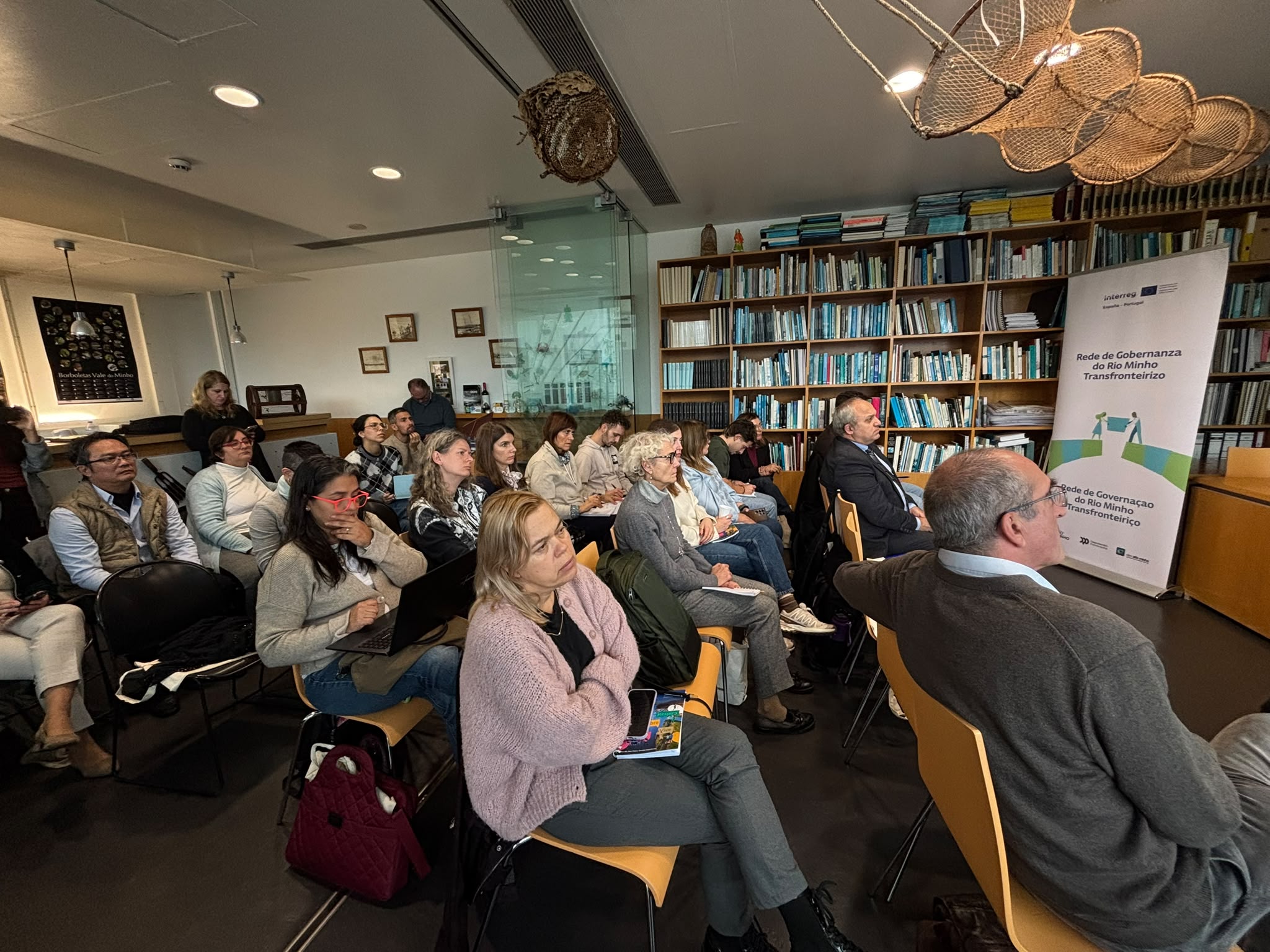
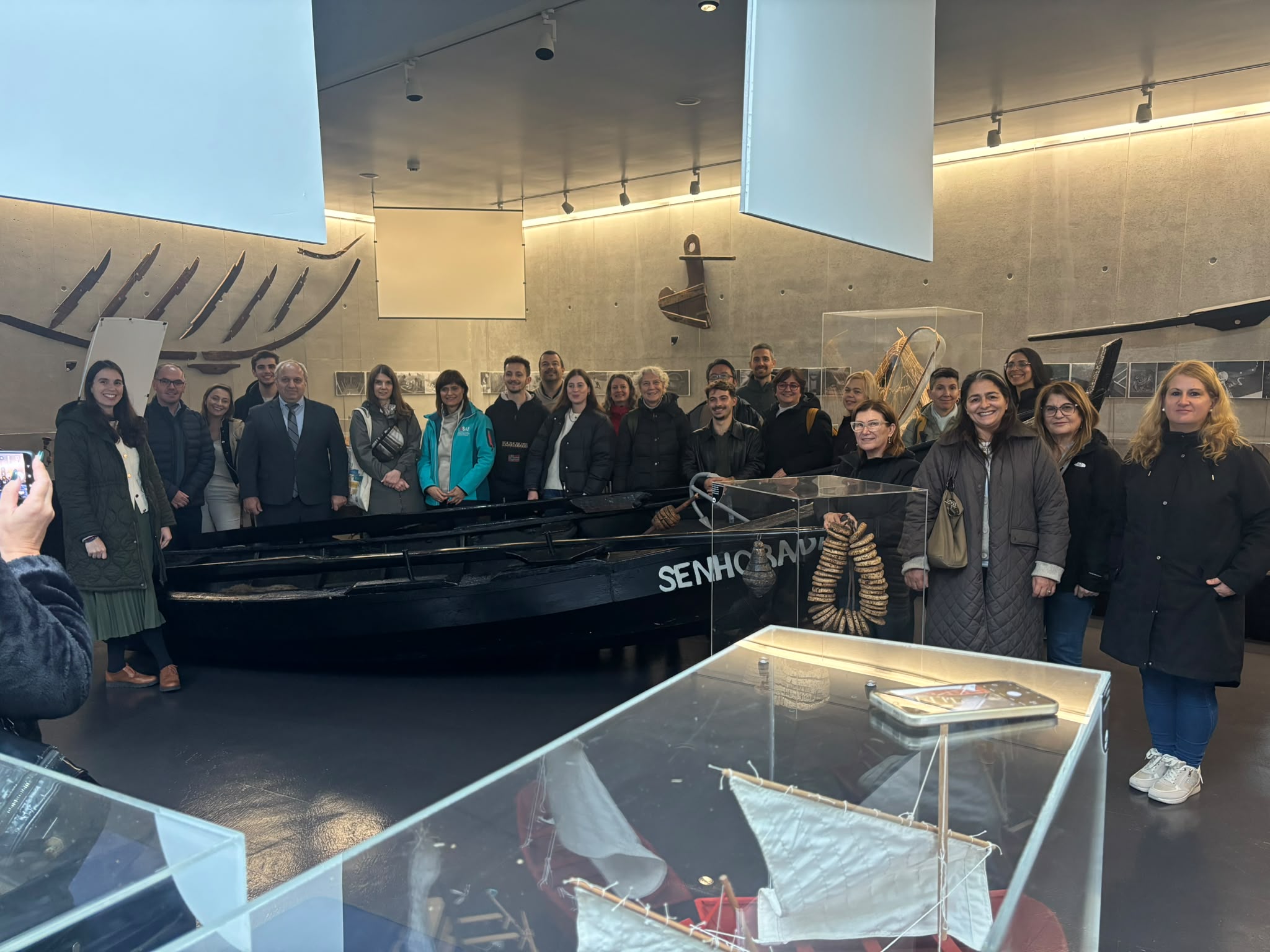
The Rio Minho cross-border territory welcomed representatives from 11 organisations across eight European countries on 16 and 17 November, for a meeting that provided an opportunity to deepen discussions on the cross-border management of Natura 2000 sites, exchange experiences and identify new possibilities for cooperation between border regions.
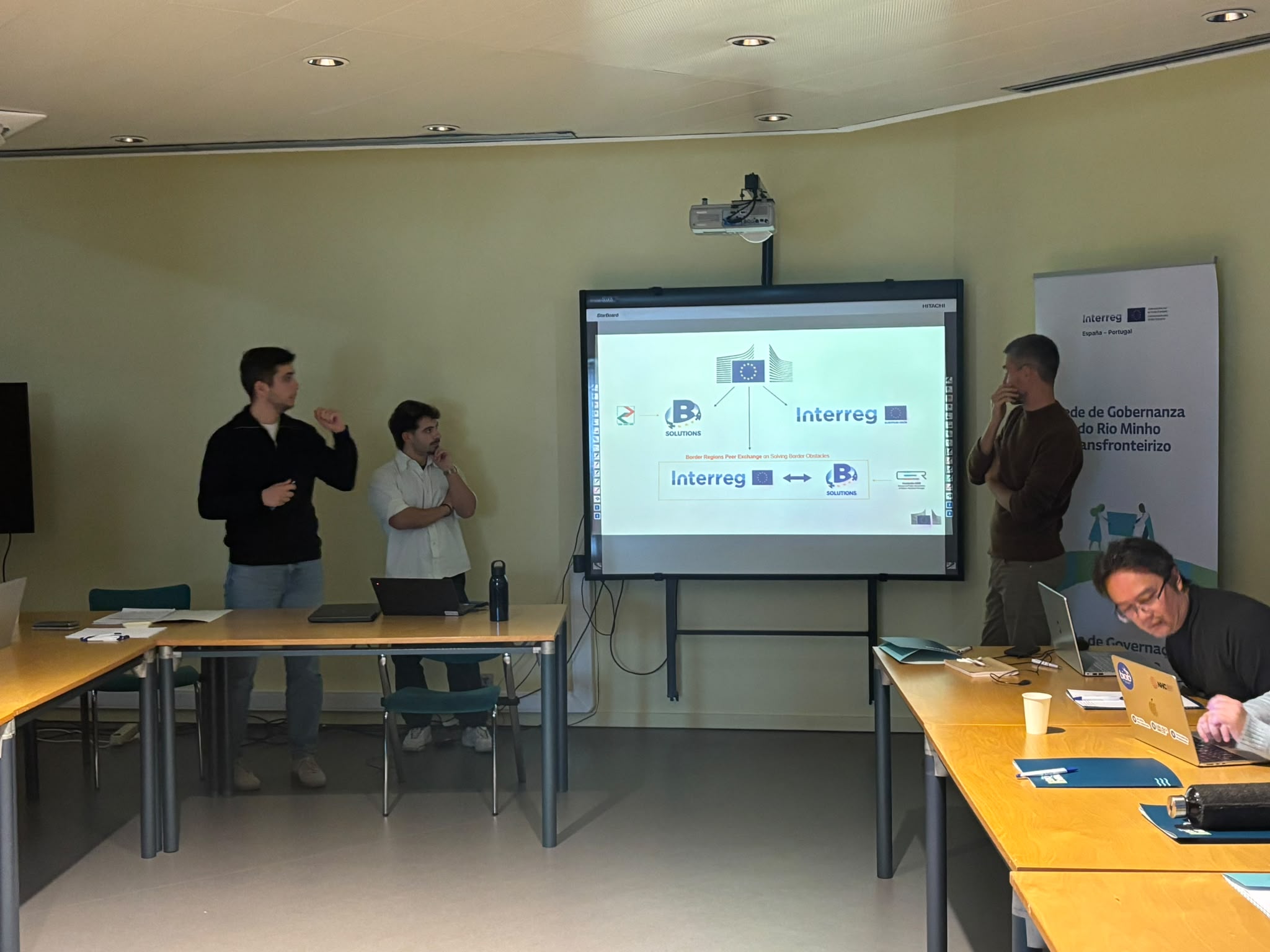
EGTC Rio Minho hosted the first visit of the European Border Regions Peer Exchange on Solving Border Obstacles programme in Vila Nova de Cerveira and Valença. The initiative is promoted by the European Commission’s Directorate-General for Regional and Urban Policy (DG REGIO), coordinated by Fundación CEER, with the support of LEX GLOBALMINDS.
Under the theme “Minho River Natura 2000 – Boosting Cross-border Multi-level Governance”, the initiative brought together representatives of institutions from Albania, Estonia, Greece, Hungary, Italy, Poland, Portugal and Slovenia, offering them an opportunity to learn about the Rio Minho territory and share experiences of challenges faced by other European regions.
Two Days of Exchange and First-Hand Knowledge of the Territory
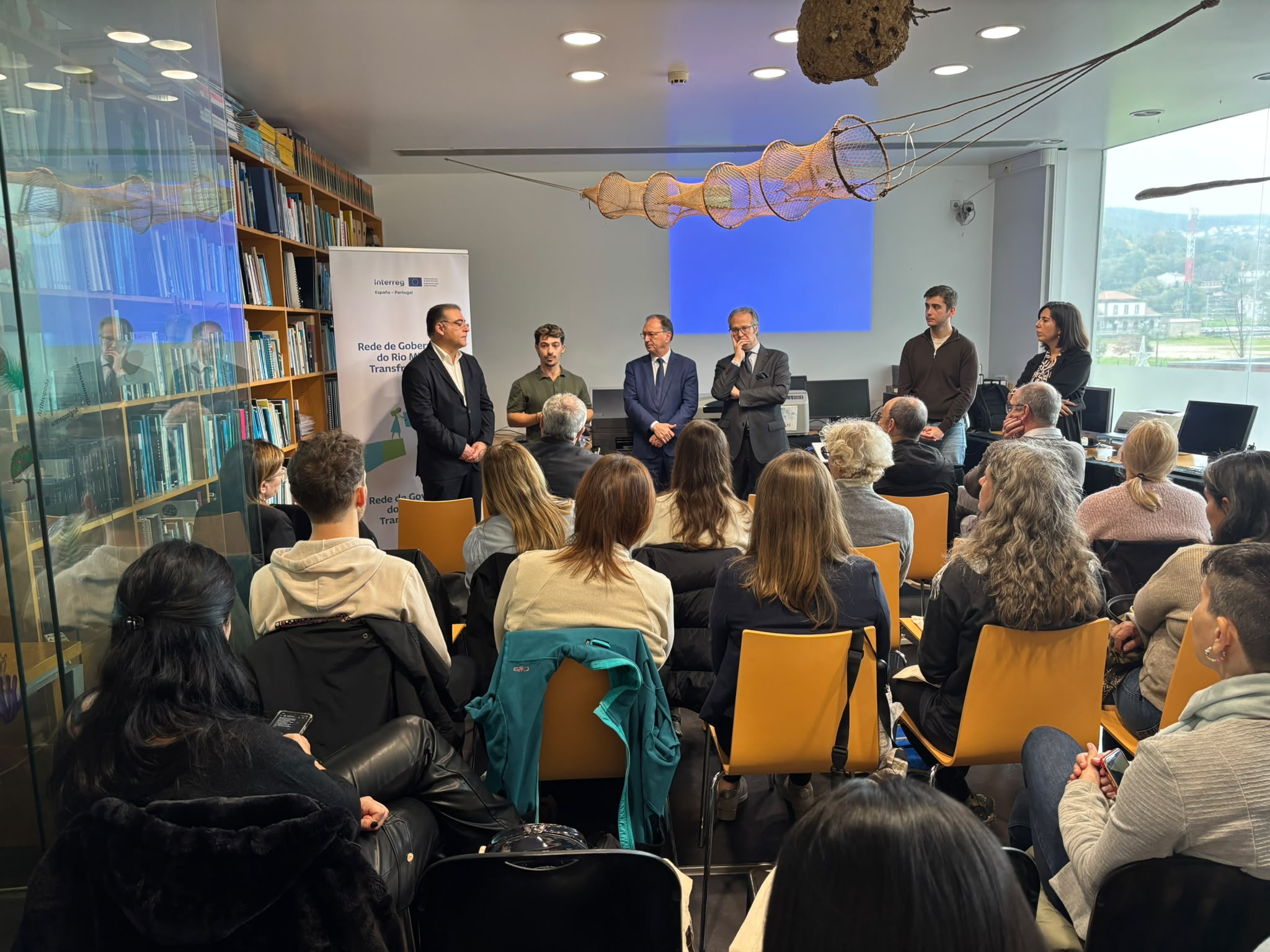
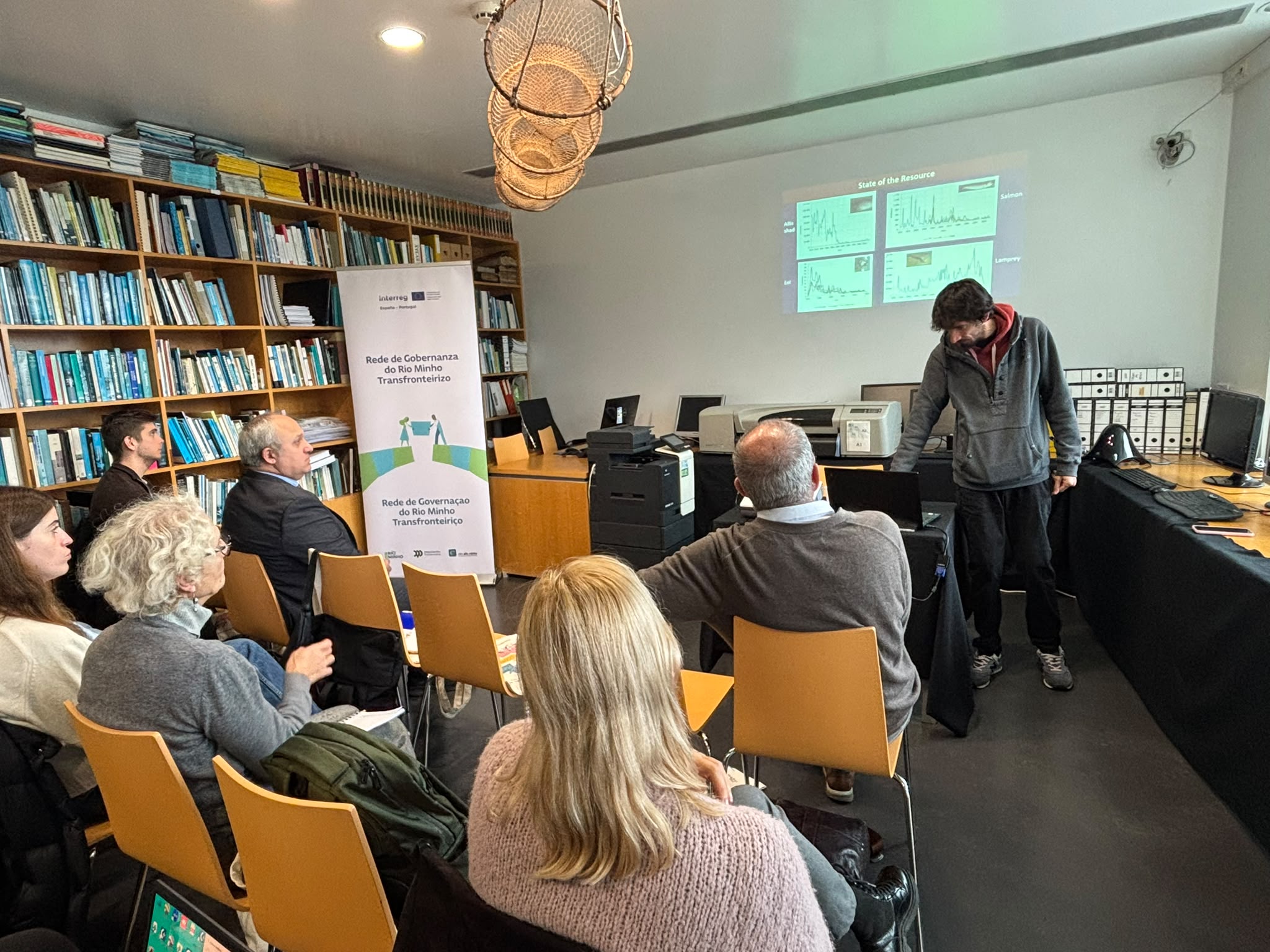
The first day took place at the Aquamuseu do Rio Minho in Vila Nova de Cerveira, with institutional contributions and technical presentations focusing on the territory’s environmental characteristics and the challenges of jointly managing protected natural areas.
The participation of representatives from the Portuguese and Galician authorities responsible for nature conservation provided an opportunity to examine administrative differences and the coordination mechanisms required to manage a shared ecosystem.
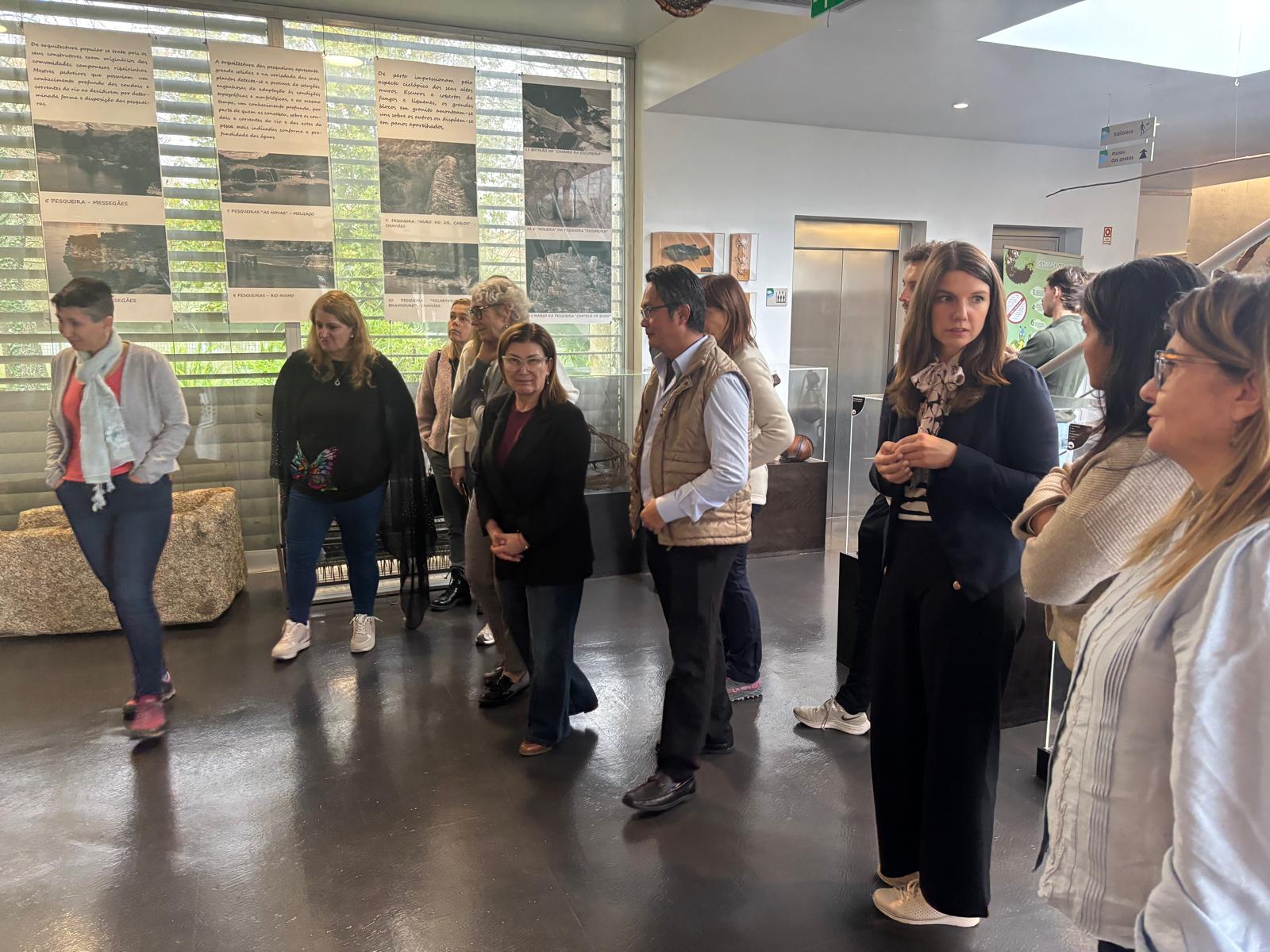
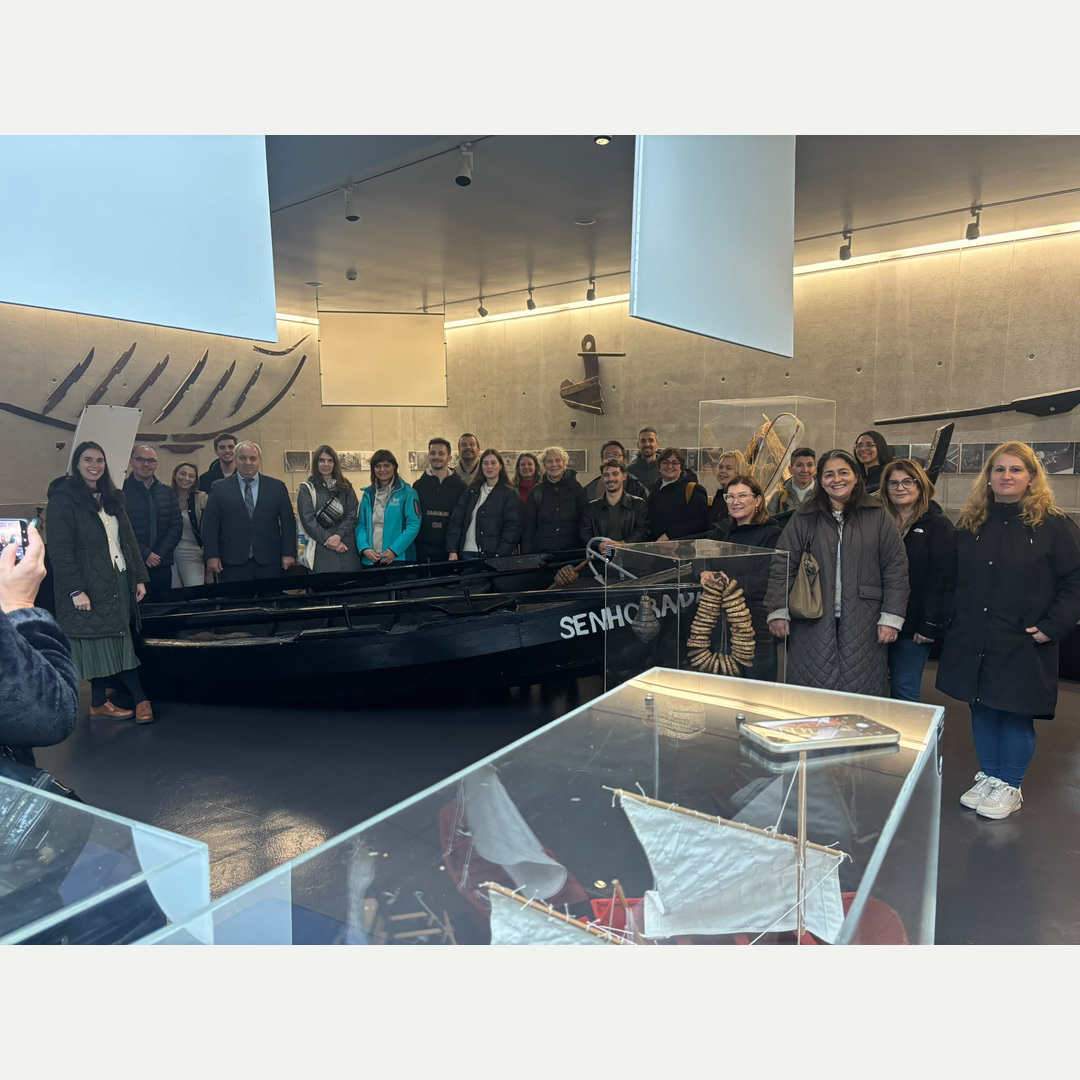
Direct engagement with these institutions, complemented by a guided visit to the Aquamuseu, gave participants a closer understanding of the Rio Minho’s natural environment and the work being undertaken to protect it.
On the second day, held at the Comunidade Intermunicipal do Alto Minho in Valença, discussions focused on the obstacles identified through the European b-solutions initiative and the potential solutions being explored in greater depth during its second phase.
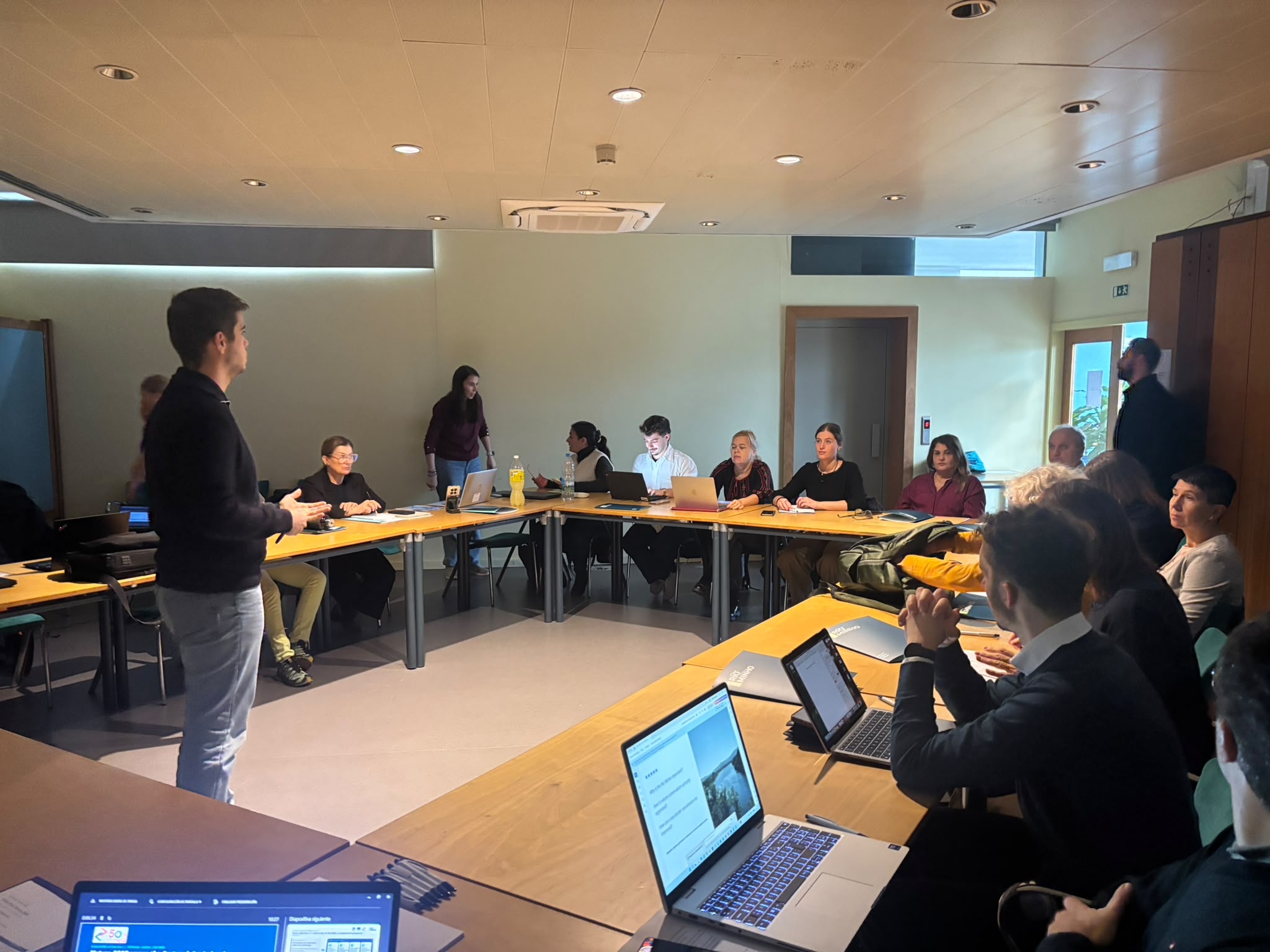
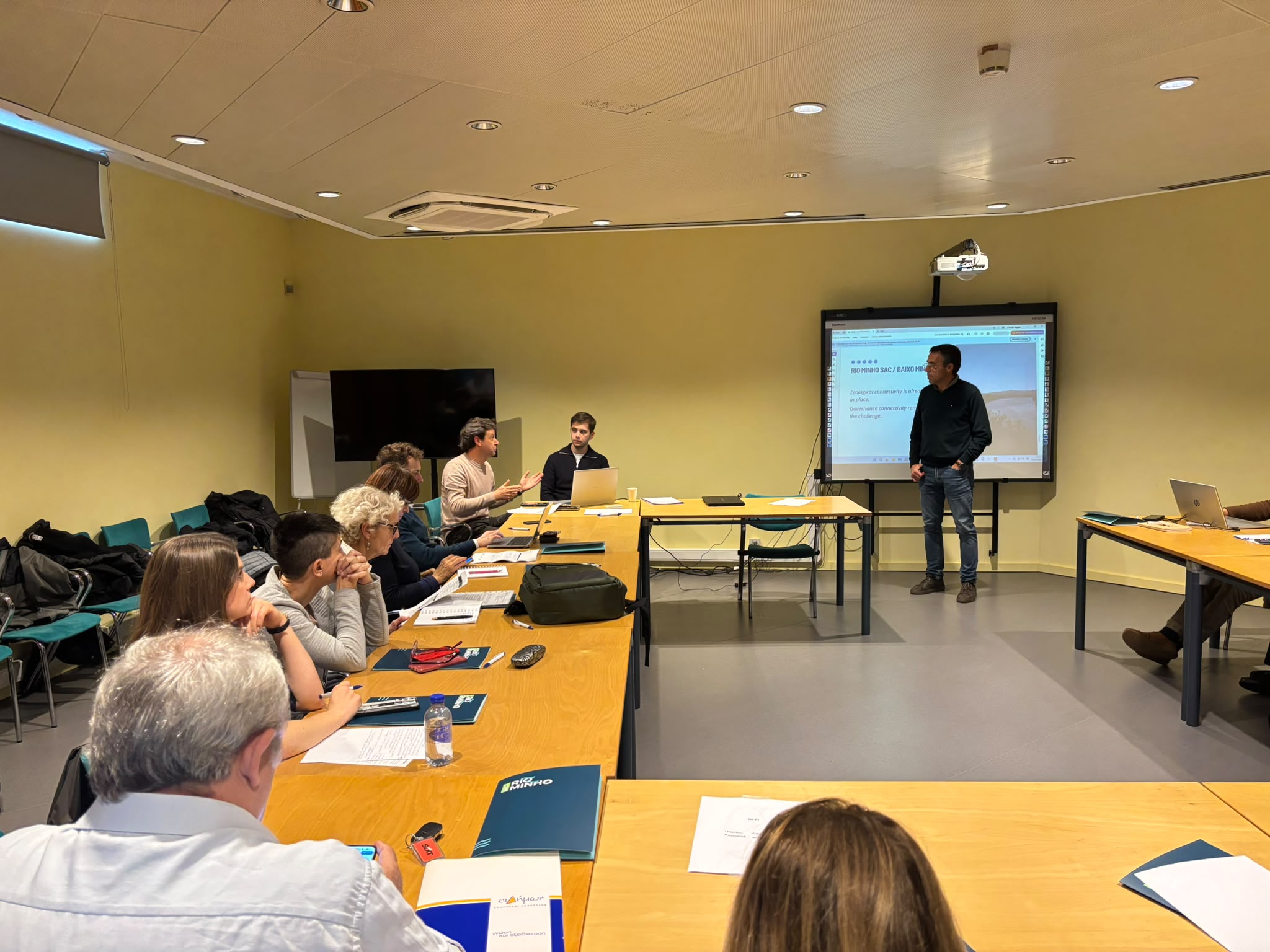
Sessions on multi-level governance and a roundtable discussion enabled participants to examine different cooperation models, share experiences and consider ways to improve coordination between the authorities responsible for managing cross-border natural areas.
European Experiences, Shared Challenges
The diversity of participating organisations, including local authorities, European Groupings of Territorial Cooperation, research institutions and environmental management bodies, was one of the meeting’s greatest strengths.
Despite the differences between the territories represented, the discussions revealed similar concerns, particularly the need to strengthen communication between administrations, facilitate information exchange and develop joint responses to obstacles that extend beyond national borders.
Active participation was a defining feature of both days. Presentations prompted questions and reflections that continued beyond the formal sessions, while informal conversations encouraged mutual understanding and professional connections between participants from different countries.
This atmosphere of openness and trust contributed to a particularly valuable exchange, combining technical knowledge with a shared willingness to explore new opportunities for cooperation.
From Exchange to New Opportunities for Collaboration
One of the most promising developments was the interest expressed in exploring the possibility of establishing a memorandum of understanding between participating institutions, with the aim of maintaining contacts, promoting the exchange of good practices and identifying opportunities for future joint initiatives.
Although still at an exploratory stage, this proposal reflects a willingness to build on the relationships established and strengthen cooperation between European border regions facing similar challenges.
A further opportunity may arise in February 2027, with the expected presentation of the final results of the second phase of the Rio Minho b-solutions case. EGTC Rio Minho may explore ways to enable participating institutions to follow these developments, extending the dialogue initiated during the visit.
Rio Minho as a Starting Point for European Cooperation
The inaugural visit benefited from the collaboration of the Municipality of Vila Nova de Cerveira, the Aquamuseu do Rio Minho, the Comunidade Intermunicipal do Alto Minho, the Xunta de Galicia, the Portuguese Institute for Nature Conservation and Forests (ICNF), and the experts involved in the b-solutions work.
For EGTC Rio Minho, hosting the first visit of this European programme provided an opportunity to showcase the work undertaken in the territory, learn from other experiences and strengthen relationships with institutions from different countries.
The two-day meeting was a particularly positive experience, thanks to the quality of the technical and institutional contributions, the active engagement of participants and the opportunities for future collaboration identified.
The visit concluded in Valença, but opened up new prospects for cooperation. The next step is to build on the connections established and explore ways of translating shared knowledge into initiatives that contribute to more coordinated and effective cross-border management.